High Level System Architecture
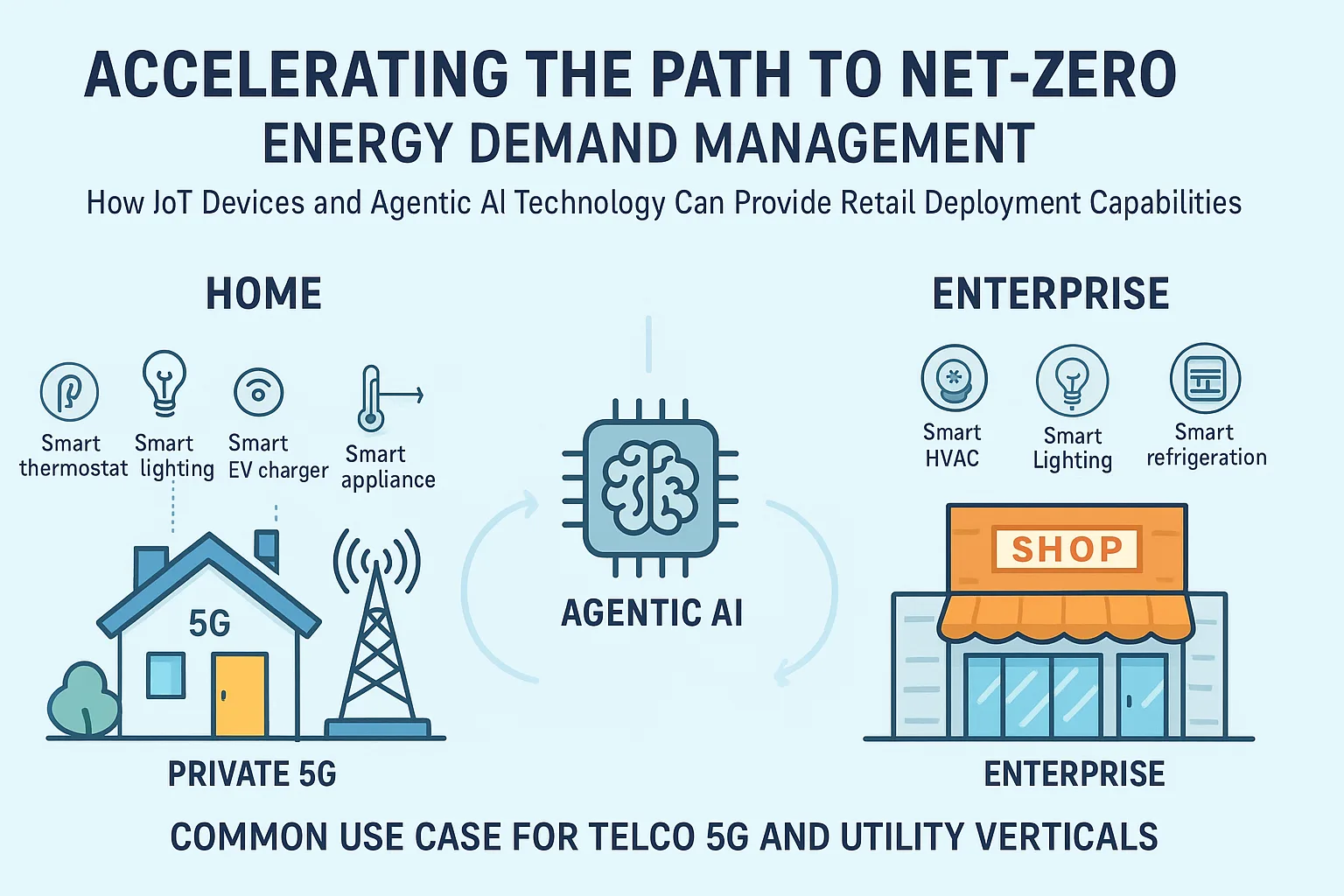
**Figure 1: System Architecture Diagram **
1. Context: The Urgent Quest for Demand Flexibility
The race toward net-zero emissions by mid-century are reshaping the global energy landscape. From the EU Green Deal to the U.S. Inflation Reduction Act and Asia's Carbon Neutrality Pledges, governments are enforcing deep decarbonization targets that demand not only cleaner generation but also smarter consumption.
The challenge has evolved. With wind and solar dominating new generation capacity, the real constraint lies in managing their intermittent and decentralized nature. Traditional balancing approaches of using centralized generation or large-scale storage are not enough and cannot meet the rising need for real-time demand flexibility.
The new frontier is demand-side orchestration, where households, and enterprises dynamically adjust energy consumption in response to grid conditions, pricing, and carbon intensity.
This transformation is made possible by the convergence of Internet of Things (IoT), 5G connectivity, and agentic AI. These together form the digital backbone of distributed, intelligent, and autonomous energy demand management.
2. Technology Evolution: From Smart Devices to Agentic Energy Systems
a. IoT: Instrumentation of the Energy Landscape
Over the past decade, billions of IoT devices; from smart meters and thermostats to EV chargers and lighting systems have become the sensory and control fabric of modern energy infrastructure. They provide granular visibility, real-time telemetry, and remote actuation, establishing the first layer of infrastructure needed for flexible, automated energy management.
b. 5G: The Connectivity Catalyst
5G networks, with their ultra-reliable low-latency communication (URLLC) and network slicing, provide the determinism and scalability required to connect millions of distributed devices securely.
Telco operators now act as energy IoT enablers, deploying private 5G networks for industrial campuses and secure slices for residential clusters ensuring resilient, real-time communication between edge devices, cloud platforms, and utility systems.
c. Agentic AI: The Intelligent Orchestrator
Agentic AI represents the evolution from automation to autonomy. Unlike traditional algorithms, agentic AI systems can forecast, negotiate, and self-optimize across dynamic conditions.
In energy management, these agents forecast demand, predict weather and prices, and autonomously dispatch energy loads; converting millions of individual devices into a coordinated virtual power plant (VPP).
3. Convergence: Where Utilities and Telcos Meet
The energy transition is driving a deep structural convergence between utilities and telecommunications operators.
| Utility Domain | Telco Domain | Convergence Point |
|---|---|---|
| Grid reliability, flexibility procurement, renewable integration | Secure connectivity, edge compute, orchestration | Distributed energy management & flexibility markets |
| Demand response aggregation | Device connectivity, network slicing | IoT-based flexibility platforms |
| Smart meters, home gateways | 5G routers, edge nodes, cloud orchestration | Unified home and enterprise energy networks |
Table 1: Utility Operator - Telco Operator convergence
Together, they form a shared ecosystem: utilities provide market access and compliance, while telcos provide the digital infrastructure: connectivity, compute, and orchestration to enable distributed flexibility at scale.
The market trajectory sees this unlocking dual vertical opportunities:
Enterprise/Retail: Commercial and industrial flexibility aggregation.
Residential/Home: Consumer energy orchestration and optimization.
4. Common Use Case: Smart Home Demand Management
Scenario
A Telco-Utility partnership launches a Home Energy Orchestration Platform (HEOP) that connects household IoT devices: EV chargers, heat pumps, HVAC systems, and rooftop solar inverters over a secure 5G network.
How It Works
IoT Sensors and Actuators: Smart plugs, thermostats, and appliances capture real-time consumption data.
Home Edge Gateway (5G Hub): Aggregates local telemetry and enforces comfort/safety constraints.
Agentic AI Cloud Layer: Forecasts demand, weather, and dynamic pricing; schedules optimal operation to minimize both cost and carbon.
Utility Interface: Aggregates flexibility across homes into a VPP, offering it to the grid.
Telco Layer: Ensures secure, low-latency connectivity and provides edge computing for local data driven decision-making.
5. Monetization Framework
For Home Users (Retail Consumer Focus)
| Value Stream | Description | Example |
|---|---|---|
| Energy Savings | Dynamic device optimization reduces consumption by 10-15%. | AI pre-heats homes when renewable supply peaks. |
| Dynamic Pricing Optimization | AI schedules loads in low-cost, low-carbon hours. | EV charging at 2 a.m. when wind output peaks. |
| Flexibility Payments | Utilities compensate consumers for demand response participation. | €500-€800 per household/year. |
| Carbon Credits & ESG Incentives | Earn tradable certificates for avoided emissions. | Redeemable in green marketplaces. |
| Telco Service Bundles | Add-on AI energy plans within broadband subscriptions. | €10-€15/month. |
Table 2: Example Business Model
Telco supplies a 5G-enabled "Smart Home Energy Hub" (€200) bundled with broadband.
Agentic AI platform delivered as Software as a Service (SaaS), with revenue shared between utility and telco.
Utility pays performance-based fees for verified flexibility and emissions reduction.
For Enterprises
Retail chains and offices replicate the model at scale, aggregating flexibility from HVAC, refrigeration, and lighting loads.
Utilities gain grid-stabilizing capacity, while telcos monetize connectivity and orchestration-as-a-service.
6. Global Net-Zero Contribution
A. Quantifiable Impact
A single smart home can avoid 0.75-1.5 tonnes CO₂/year through optimized scheduling.
Scaling to 8% of global households by 2030 (~260M homes) cuts 150-275 MtCO₂ annually - equal to the emissions of Spain or South Korea.
Retail and office flexibility could offset 1.5% of global electricity emissions through optimization and curtailment.
B. System-Level Benefits
Reduced grid congestion and peak loads minimize fossil power plants firing at peak.
Higher renewable utilization reduces curtailment losses.
Citizens become active participants in the net-zero economy.
C. Regional Relevance
Europe: Aligns with EU Fit-for-55 and Digital Decade goals.
North America: Complements distributed energy incentives under the Inflation Reduction Act (IRA).
Asia-Pacific: Supports grid modernization across emerging microgrids.
7. Implementation Blueprint
| Stage | Key Steps | Outcome |
|---|---|---|
| Pilot (0-12 months) | Deploy IoT hubs to 100 homes; partner with one DSO and telco; test AI optimization. | 10% energy savings, 15% participation in DR events. |
| Scale (12-36 months) | Integrate millions of households and retail sites; launch telco bundles. | National flexibility platform with multi-utility integration. |
| Maturity (36+ months) | Add peer-to-peer trading, carbon credits, and EV orchestration. | Fully autonomous home energy economy. |
Table 3: Possible Implementation Blueprint
8. Strategic Outlook
For Telcos
Evolve from connectivity provider to energy services enabler.
Monetize through subscription bundles, analytics, and flexibility markets.
Strengthen 5G ROI by embedding it in global decarbonization.
For Utilities
Access low-cost, distributed flexibility without building new generation.
Meet regulatory decarbonization targets with verified data.
Enhance grid stability under high renewable penetration.
For Consumers
Reduce bills, improve comfort, and automatically contribute to climate goals.
Participate in "Net-Zero-as-a-Service" where automation handles optimization and reporting.
9. Conclusion: The Digital Infrastructure of Net-Zero
The convergence of IoT devices, agentic AI, and 5G networks forms the digital foundation of the net-zero economy.
In homes, millions of smart devices become grid assets. In enterprises, buildings evolve into micro flexibility hubs. Together, they create a decentralized, intelligent demand network that balances renewable supply with real-world needs.
In this ecosystem:
Telcos provide the nervous system (connectivity),
Utilities provide the circulatory system (energy), and
AI provides the brain (intelligence and coordination).
The result is more than a smarter grid; it is a smarter planet.