Executive Summary
The security industry stands at the intersection of digital disruption and operational necessity. Licensed security providers face growing demands for proactive protection, regulatory compliance, and measurable client outcomes delivery; all under tighter margins.
While Closed-Circuit Television (CCTV) remains a core technology, its limitations in reactivity and scalability expose an urgent need for autonomous, intelligent surveillance ecosystems.
This white paper introduces the Autonomous Agentic Liveness and Object Detection System (AALODS) - an integrated framework powered by AI, IoT-based surveillance, computer vision, workflow automation, and role-based dashboard portal orchestration. It charts a strategic transformation roadmap enabling licensed security firms to evolve from traditional monitoring to digital product-led innovators, achieving operational scalability, data-driven insights, and sustainable market growth.
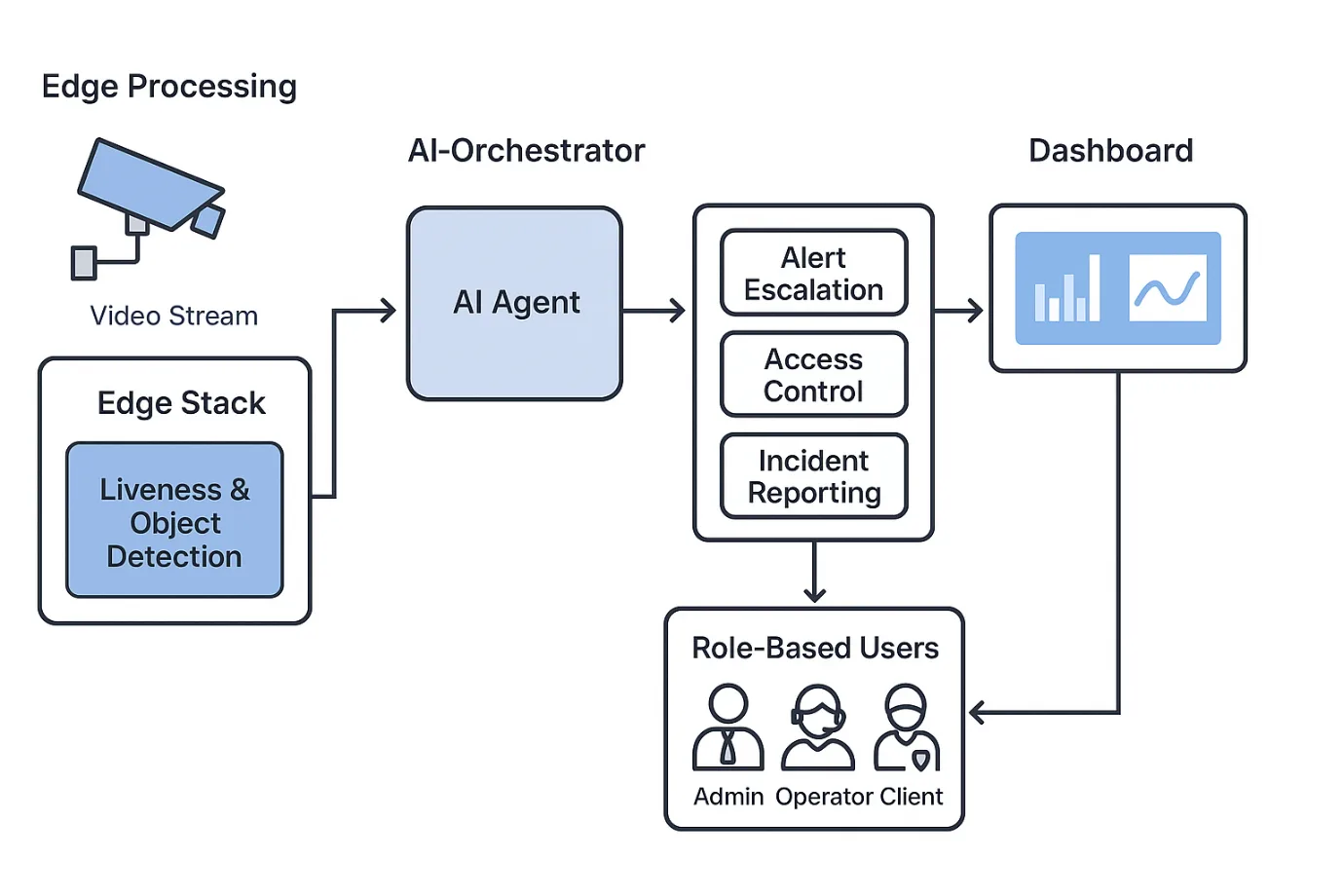
Figure 1: AALODS High Level System Architecture
1. Industry Context and the Transformation Imperative
Security operations are evolving rapidly. Clients expect real-time situational awareness, predictive risk detection, and transparent performance analytics.
Traditional surveillance struggles with:
Operator fatigue and excessive false alarms
Limited scalability across distributed locations
High human dependency and manual oversight
Underutilized historical and live video data
The next evolution lies in autonomous, IoT-enabled systems that combine edge intelligence with centralized orchestration, transforming monitoring into actionable insight.
The strategic opportunity: digitize operations, productize intelligence, and monetize insights across enterprise and residential security markets.
2. Technology Overview: From Passive Monitoring to Intelligent Autonomy
2.1 Core Functional Layers
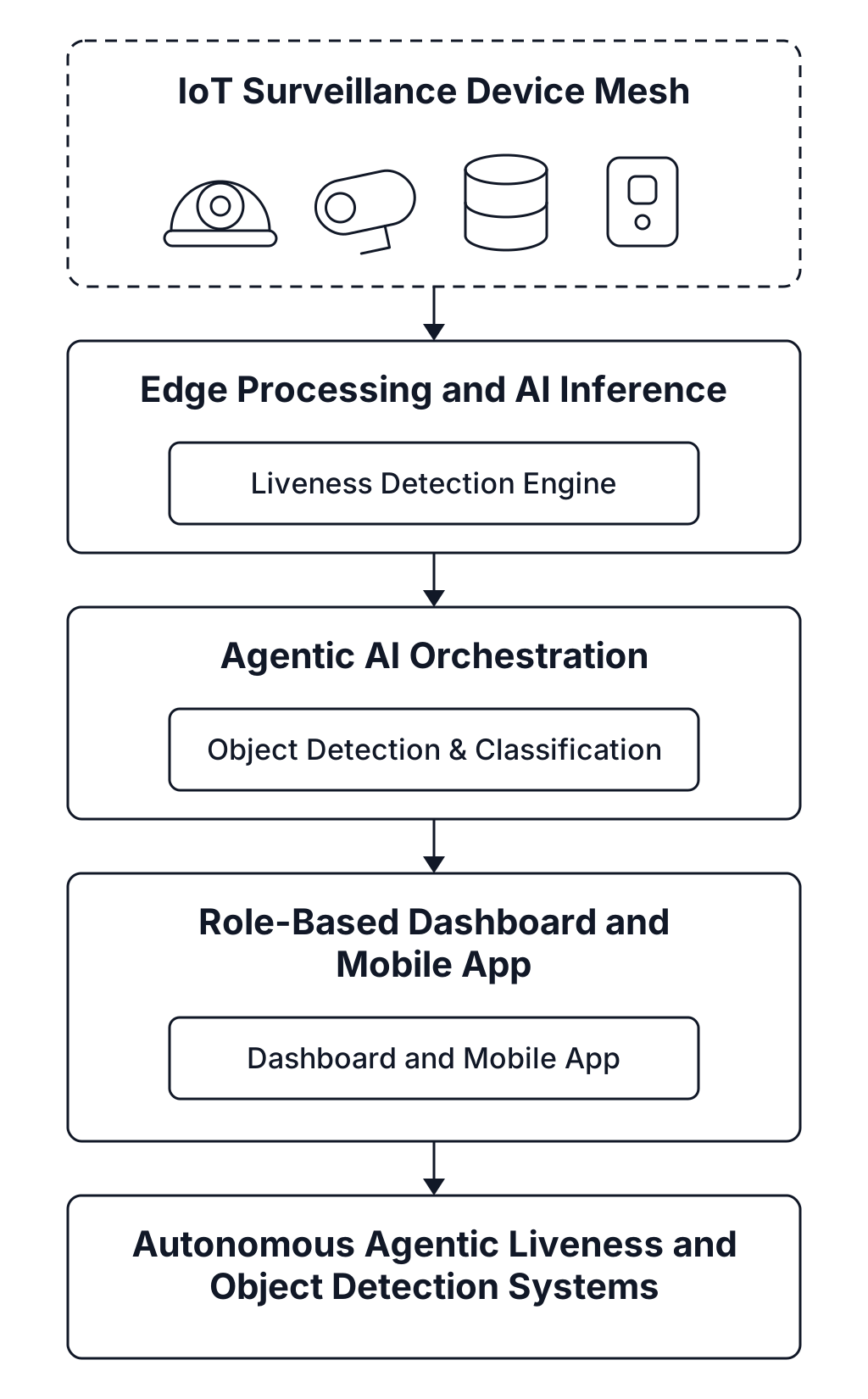
Figure 2: AALODS functional layer stack.
IoT Surveillance Device Mesh
Smart cameras, sensors, and access control units networked via 5G/LPWAN.
Each device performs edge-level processing (object detection, liveness verification) before streaming metadata to the AI orchestration layer.
Supports plug-and-play scalability and firmware-over-the-air (FOTA) updates.
Liveness Detection Engine
Applies biometric depth mapping, motion vector analysis, and infrared pattern detection to distinguish live humans from static or spoofed imagery.
Enhances identity verification for access control.
Object Detection and Classification
Employs convolutional neural networks (CNNs) and edge inference (e.g., YOLOv8, TensorRT) to detect entities: vehicles, packages, or intrusions in real time.
Agentic Orchestration Layer
Autonomous AI agents interpret sensor data, assess contextual risk, and trigger workflow actions such as alerts, alarms, or patrol deployment.
Workflow Automation Engine
Integrates with dispatch systems, compliance reporting, and incident management platforms, enabling rule-based automation and escalation.
Role-Based Dashboard and Mobile Layer
Dynamic interfaces for control room operators, field agents, and executives, offering live analytics, AI audit trails, and predictive trend visualization.
3. Product-Led Growth Vision
For licensed security providers, the goal is to move beyond manpower-driven operations toward platform-driven security ecosystems.
AALODS supports:
Recurring subscription revenue via AI-driven monitoring-as-a-service
Scalable operations with AI-human coverage ratios exceeding 300:1
Compliance alignment (GDPR, PSA, ISO 27001)
Market differentiation through data-driven security insights
IoT-based surveillance devices form the foundation of product-led growth enabling continuous data collection, predictive analytics, and smart integration into enterprise systems.
4. Strategic Implementation Roadmap
Stage 1: Strategic Foundation - Vision and Architecture
Objective: Define business, data, and architecture strategies.
Initiatives:
Digital capability maturity assessment
IoT device integration blueprint (edge-to-cloud design)
AI governance and compliance frameworks
Deliverables:
Transformation blueprint and business case
Architecture for IoT + AI orchestration
Stage 2: Initiative Launch - Product Development and Integration
Objective: Build and deploy MVP integrating IoT devices, AI, and automation.
Initiatives:
Develop AI engines (TensorFlow/PyTorch)
Integrate IoT sensors (ONVIF/RTSP protocols)
Deploy agentic orchestration (Camunda/n8n)
Build dashboards (React/NodeJS)
Deliverables:
Operational MVP
IoT-integrated edge surveillance pilot
Outcome:
- Reduced false positives, improved incident response (<10s).
Stage 3: Delivery and Scale - Enterprise Rollout
Objective: Scale AALODS as a cloud-edge security platform.
Initiatives:
Establish Security Analytics Centre (SAC)
Continuous model retraining and device management
Subscription-based client portal
Deliverables:
Full deployment
Client-facing AI dashboards
Outcome:
- Scalable, monetizable, and autonomous surveillance ecosystem.
5. Anticipated Business Impact
| Metric | Traditional Model | Agentic IoT Model |
|---|---|---|
| Incident Response | 2-5 mins | <10 seconds |
| Coverage Ratio | 1:30 cameras | 1:300+ |
| False Alarm Rate | 25% | <5% |
| Cost Scaling | Linear | Exponential efficiency |
| Revenue Streams | Manned service | Subscription & data insights |
Table 1: Impact Metrics Analysis
6. Governance, Ethics, and Compliance
The platform aligns with:
GDPR and PSA regulatory standards
Explainable AI (XAI) for transparency
ISO 27001 cybersecurity protocols
Ethical AI design for privacy and fairness
7. Product Owner Accountability
As Consultant Product Owner, accountability includes:
Strategic Ownership: Align AI + IoT strategy to business KPIs.
Delivery Governance: Ensure interoperability across cloud-edge stack.
Change Enablement: Upskill security teams for digital workflows.
Product Evolution: Drive feedback loops and continuous improvement.
8. Conclusion
AALODS represents a paradigm shift from surveillance to situational intelligence.
By integrating IoT-based devices, AI orchestration, and workflow automation, licensed security companies can deliver autonomous, predictive, and monetizable security services.
This is not just digital transformation - it's digital reinvention for the security industry.